Where the spark started
Spark of Hope began with a group of students, a few bake sales and a 3D printer. This is what they built, and what we're building next.
The previous student team and the founders established the foundation of the Spark of Hope initiative by developing the original lighting prototype.
They researched the concept, raised funds through school-based bake sales and used those funds to purchase the necessary materials and parts for production of the product.
The team also used 3D printers to design the prototype's casing for the lights, allowing them to create a functioning prototype rather than relying entirely on commercially available materials.
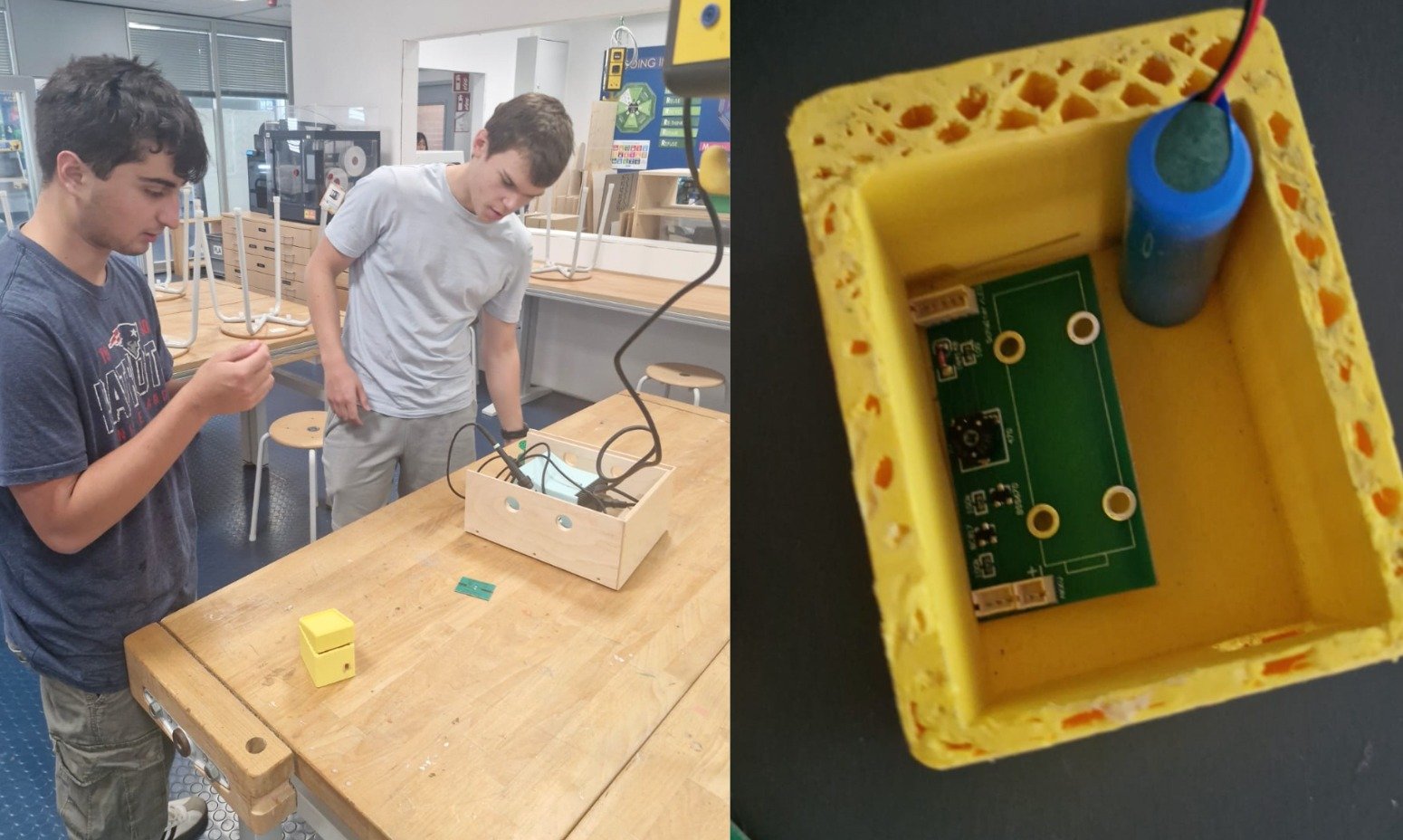
“Their work provided the starting point for our current team, which will build upon their experience while also developing a new and improved prototype and solution.”
From a school workshop to Honduras
Once the prototype had been assembled, the students travelled to Honduras to support its implementation on the ground, working with the local NGO CEPUDO to help distribute and introduce the prototype within the community.
Today a new team has picked up where they left off, with the same idea at its core: design it ourselves, test it properly, and listen to the people who use it.
-
Research
Researching the concept
The founding team studied the problem and existing approaches to off-grid lighting.
-
Funding
School-based bake sales
Funds raised at school paid for the materials and parts needed for production.
-
Build
3D-printed casings
The light's casing was designed and printed in-house, producing a functioning prototype.
-
Honduras
On the ground with CEPUDO
The students travelled to Honduras to help distribute and introduce the prototype.
-
Now
A new team, a new prototype
We're building on that experience to develop an improved light and a community solar project.